


S235J2W and S355J2W are both weather-resistant Corten Steels compliant with European standard EN 10025-5, sharing the "J2" suffix that guarantees -20℃ low-temperature impact toughness. Yet their application scopes differ significantly in practical projects-from architectural decorations to heavy-duty structures. What drives these differences, and how to choose the right grade for specific needs? The core answer lies in : S235J2W (low-strength) fits light-load scenarios, while S355J2W (medium-strength) adapts to medium-load, high-stress environments. Below is a concise, actionable breakdown.
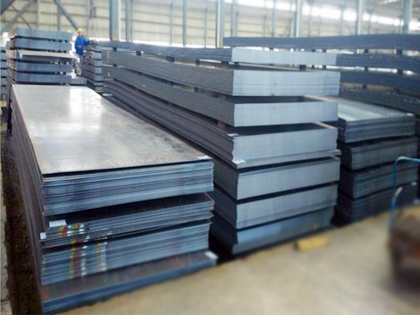
1. Root Cause of Application Differences: Core Performance Gap
The most fundamental distinction between the two grades is their mechanical strength, which directly defines their load-bearing capacity and application boundaries (per EN 10025-5):
S235J2W: Low-strength grade with minimum yield strength (YS) >=235MPa and tensile strength (TS) 360-510MPa. Its design focuses on basic weather resistance and low-temperature toughness, prioritizing cost-effectiveness for non-heavy-load use.
S355J2W: Medium-strength grade with minimum YS >=355MPa and TS 470-630MPa. It balances weather resistance, low-temperature toughness, and higher load-bearing capacity, suitable for structural components under moderate stress.
Key Note: Both grades have identical weather resistance (relying on Cu, Cr, P) and low-temperature toughness (-20℃ impact energy >=27J). The only decisive factor for application scope is their strength difference.
2. Scene-by-Scene Comparison of Application Scopes
The strength gap translates to clear boundaries in practical applications-here's how they fit different scenarios:
S235J2W: Dominant choice. Suitable for thin-gauge decorative components (3-6mm), such as architectural facades, landscape railings, decorative screens, and small outdoor pavilions. It meets aesthetic and weather resistance needs at a lower cost, with no need for excessive strength.
S355J2W: Rarely used. Only selected for decorative components that double as light-load supports (e.g., thickened facade panels with hidden load-bearing functions), but this is often over-specification and increases costs.
S235J2W: Limited to light-load structures. Applicable to non-critical components like industrial workshop cladding, light-duty support brackets, and small auxiliary platforms (load <=5kN/m²). Not suitable for main load-bearing structures.
S355J2W: Primary choice for medium-load structures. Used for industrial frames, port terminal auxiliary structures, bridge approach railings, and boiler peripherals (load 5-15kN/m²). Its higher strength ensures structural stability under moderate stress.
Cold-Region Applications
S235J2W: Suitable for cold-region light-load components. E.g., residential balcony railings, small outdoor equipment casings in northern Europe or high-altitude areas. It relies on -20℃ toughness to avoid brittle fracture in winter.
S355J2W: Suitable for cold-region medium-load structures. E.g., northern coastal bridge auxiliary beams, alpine industrial plant frames. It combines low-temperature toughness with higher strength to withstand both cold stress and structural loads.
3. Practical Selection Decision Framework
Choose S235J2W if: Your project is decorative/light-load (no main load-bearing), prioritizes cost-effectiveness, and only needs basic weather resistance and cold resistance. It's the most economical choice for non-structural or light-structural needs.
Choose S355J2W if: Your project involves medium-load-bearing components, or the structure is in cold regions with moderate stress (e.g., industrial frames, bridge auxiliaries). Its higher strength ensures long-term structural safety, justifying the higher cost.
: Do not use S235J2W for main load-bearing structures (risk of overload failure); do not use S355J2W for pure decoration (unnecessary cost increase).
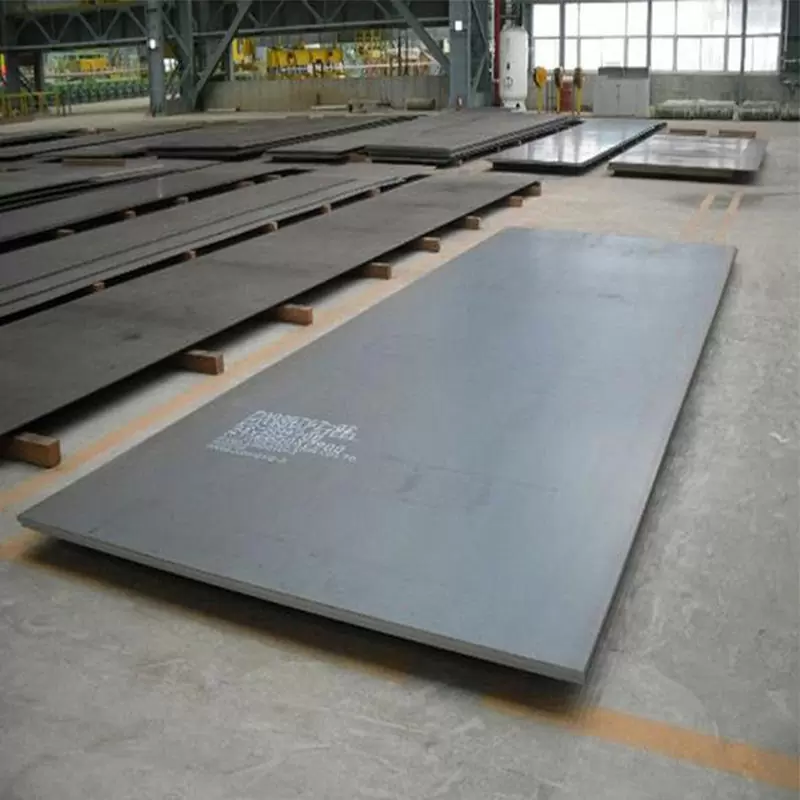
In summary, the core difference in application scope between S235J2W and S355J2W lies in their strength levels. S235J2W excels in cost-effective, light-load, decorative scenarios, while S355J2W is tailored for medium-load, stress-bearing structures-especially in cold regions. Choosing based on load requirements and cost targets ensures optimal performance and economic rationality.


